
Sheet metal fabrication and machining
LabCarry manufactures the robot body and its mechanical hardware in-house. Our work includes sheet metal body parts and machined platforms, gripper components, mounting parts, frames and fixtures for the agreed robot configuration.
- Review materials, dimensions, tolerances and mating interfaces against the intended assembly.
- Match gripper and fixture geometry to the actual labware and permitted contact surfaces.
- Carry approved drawings and changes into the parts and assembly configuration.
Part drawings, interface requirements and batch quantities determine the manufacturing plan.
Robot hardware & system integration
We source the mobile base and robotic arm from specialist suppliers, then integrate their hardware and firmware with our own body and mechanical hardware. LabCarry completes the device connections and agreed external platform interface.
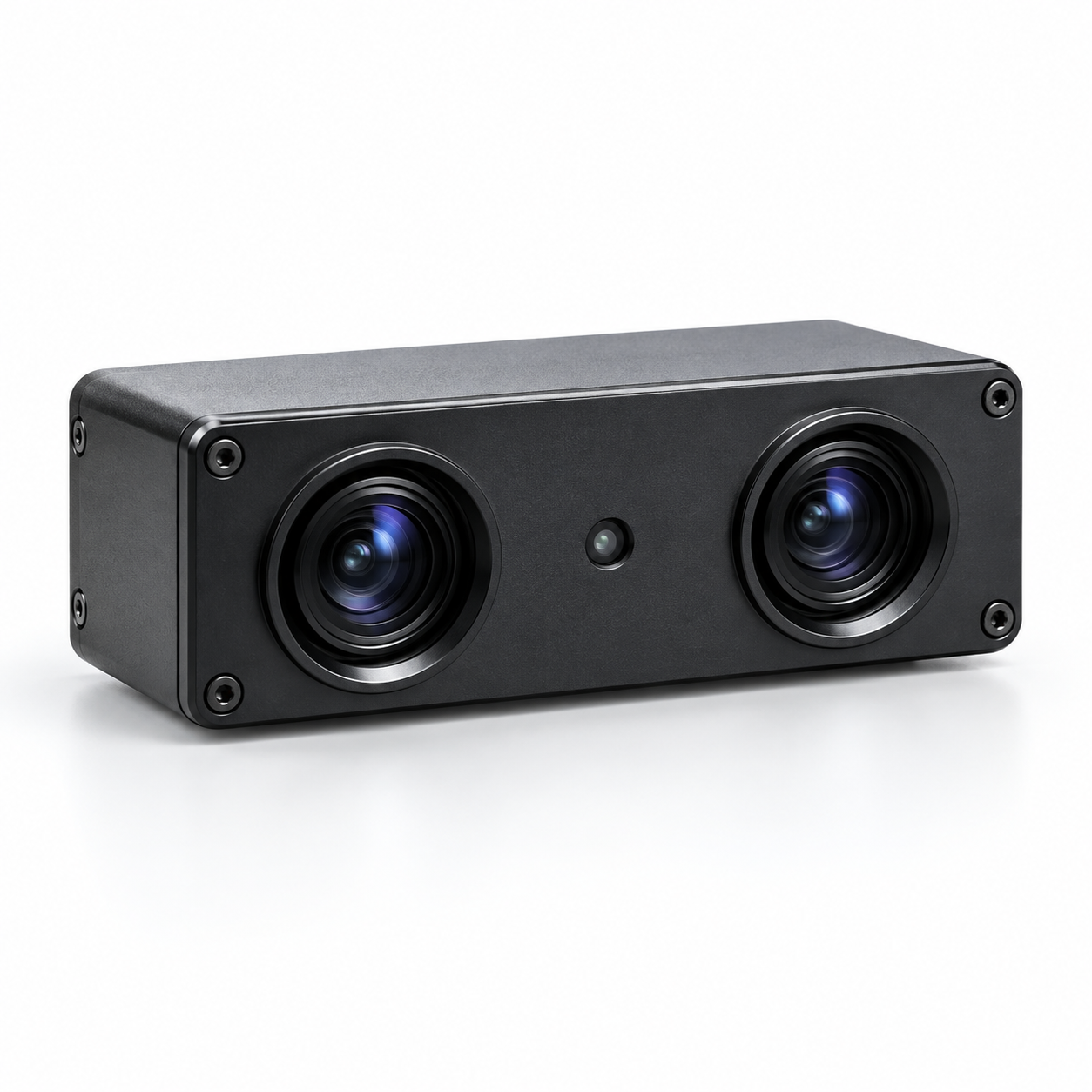
Vision & perception
Mounting and device connections for selected cameras and vision hardware. Detection functions and interface requirements are defined for the project.
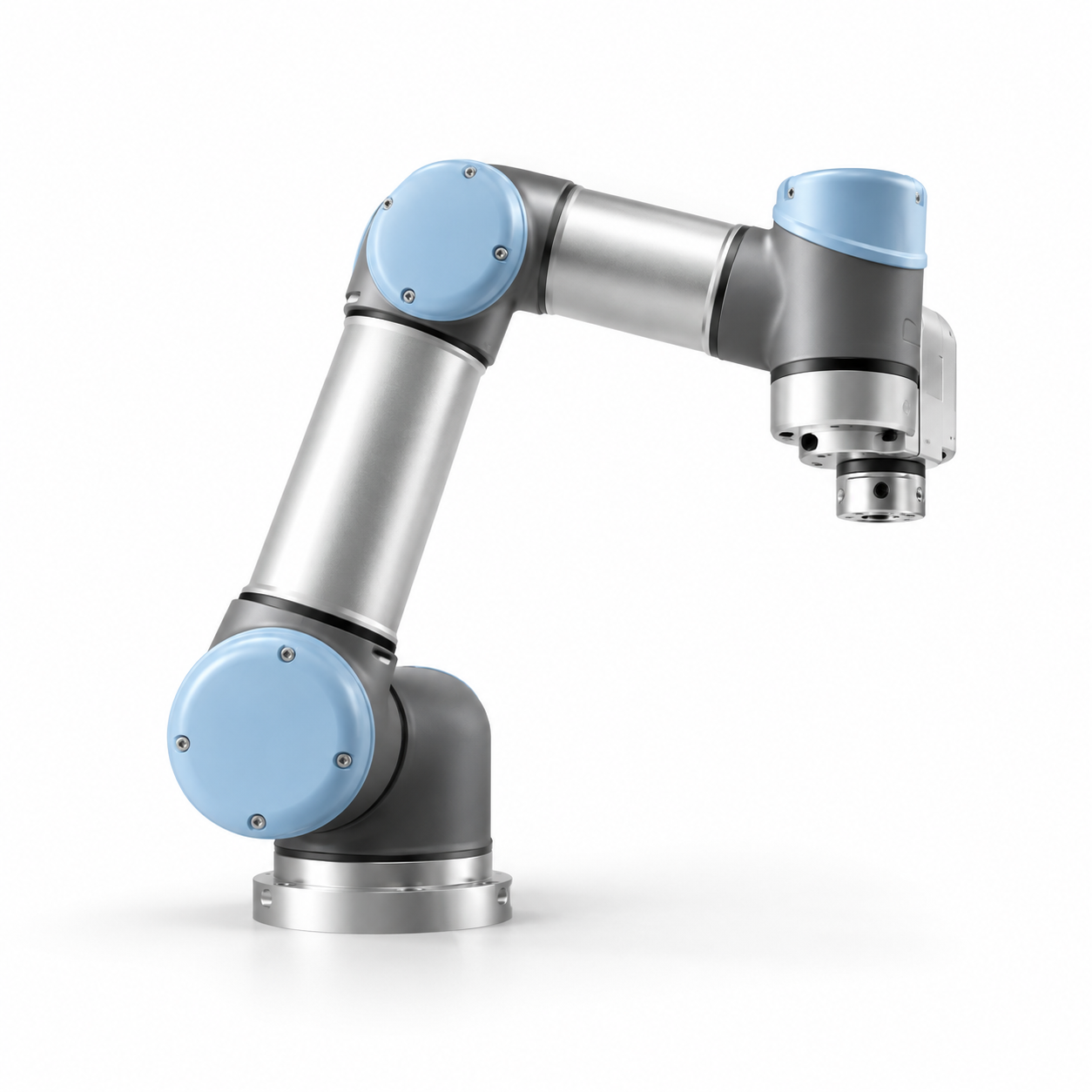
Collaborative robotic arms
Integration of externally sourced robotic arms, including mounts, cable routing and agreed base-to-arm interfaces.
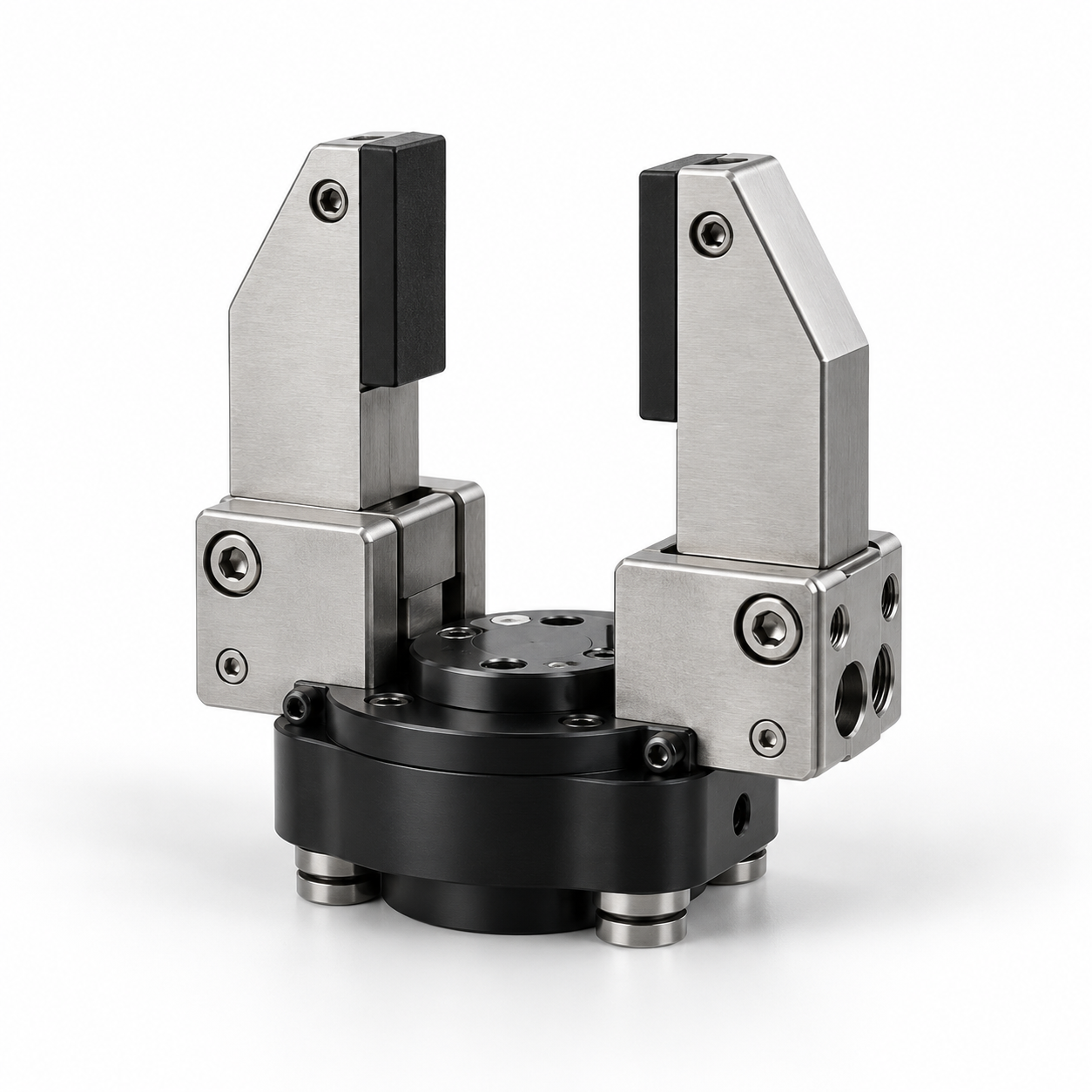
End effectors & grippers
Custom gripper components, fingers and fixtures manufactured to the agreed labware, contact surfaces and mounting interfaces.
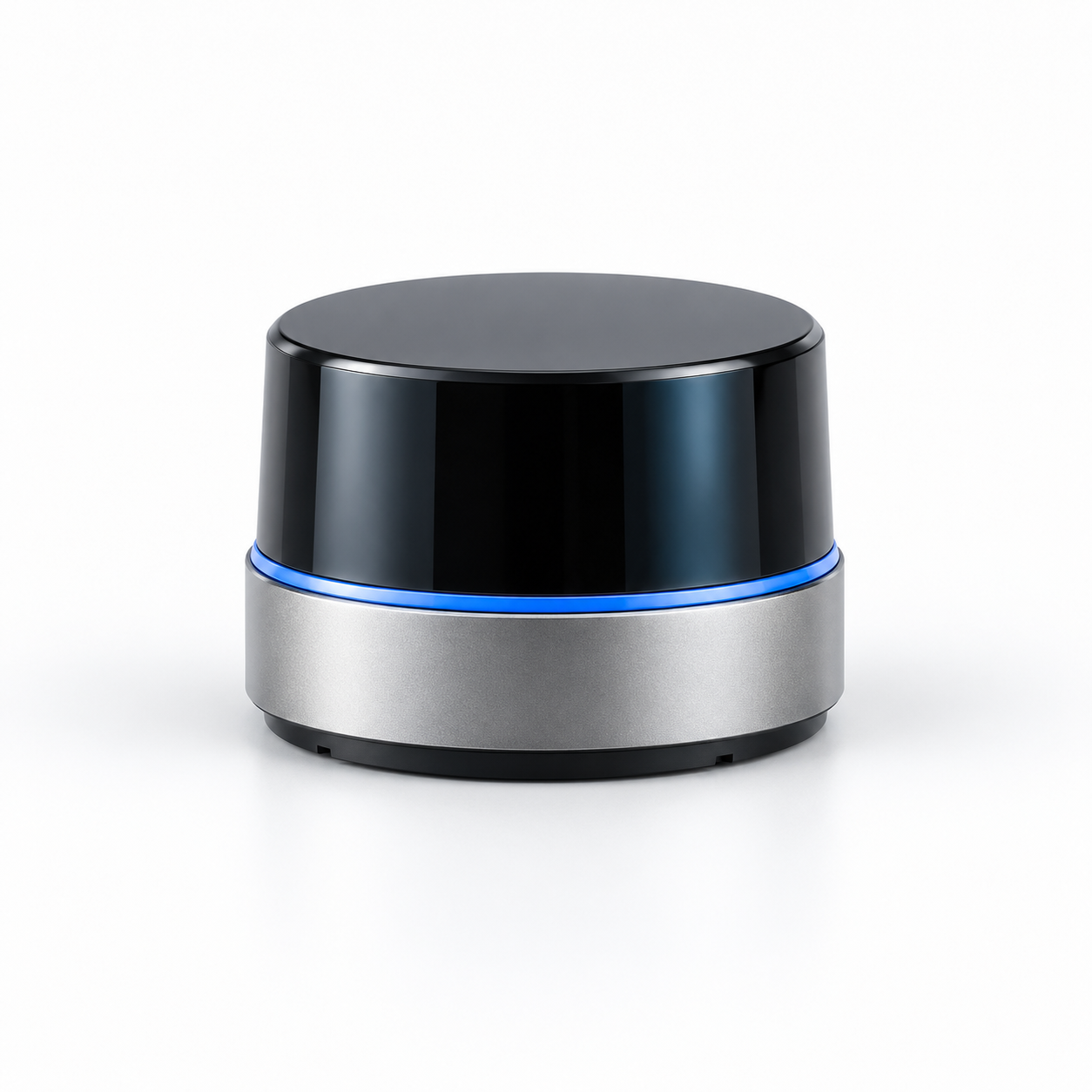
Navigation & safety sensors
Mounting, wiring and interface checks for selected navigation and safety devices within the agreed platform configuration.
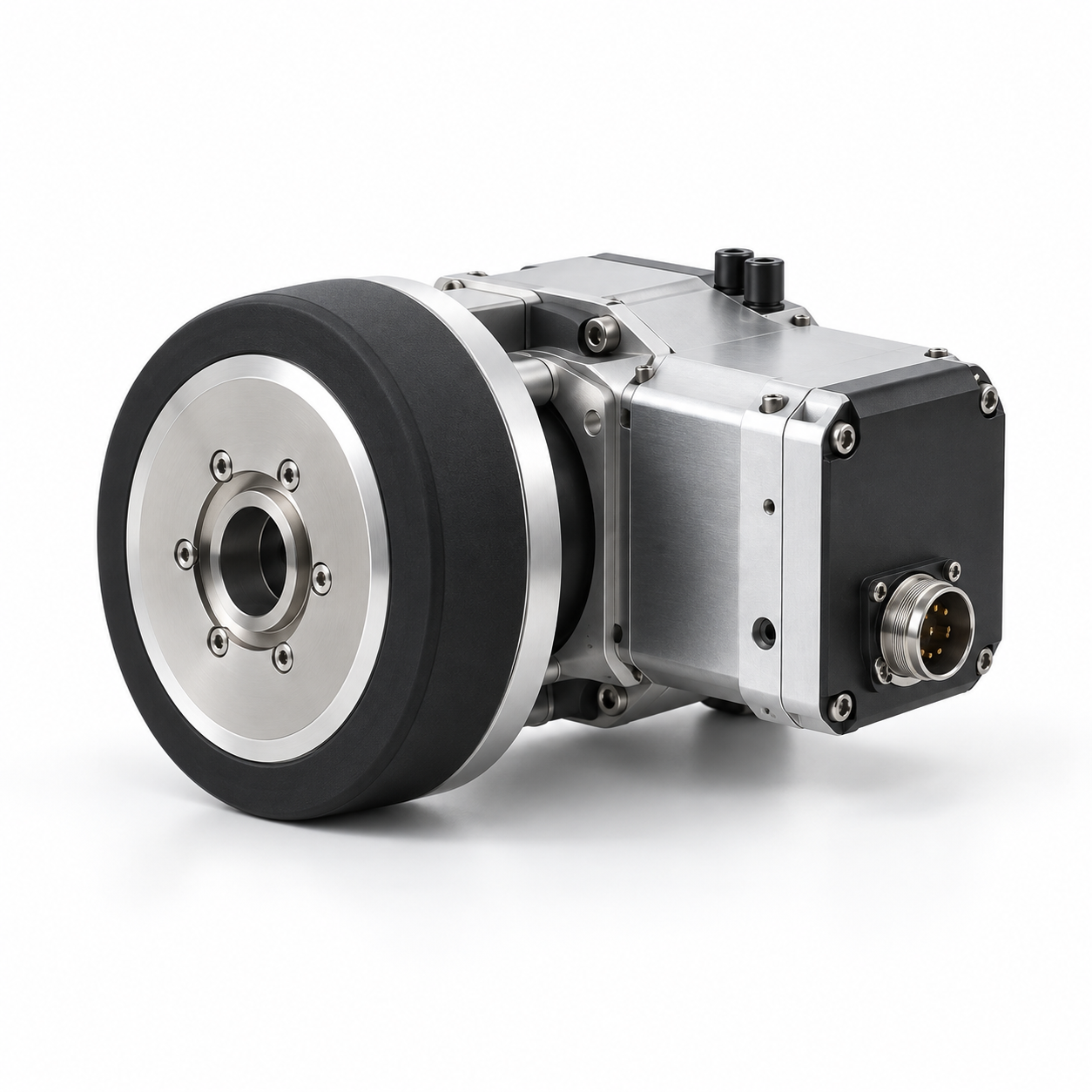
Drive systems & mobile bases
Integration of the selected mobile base and its drive hardware, with agreed power, mounting and device connections.
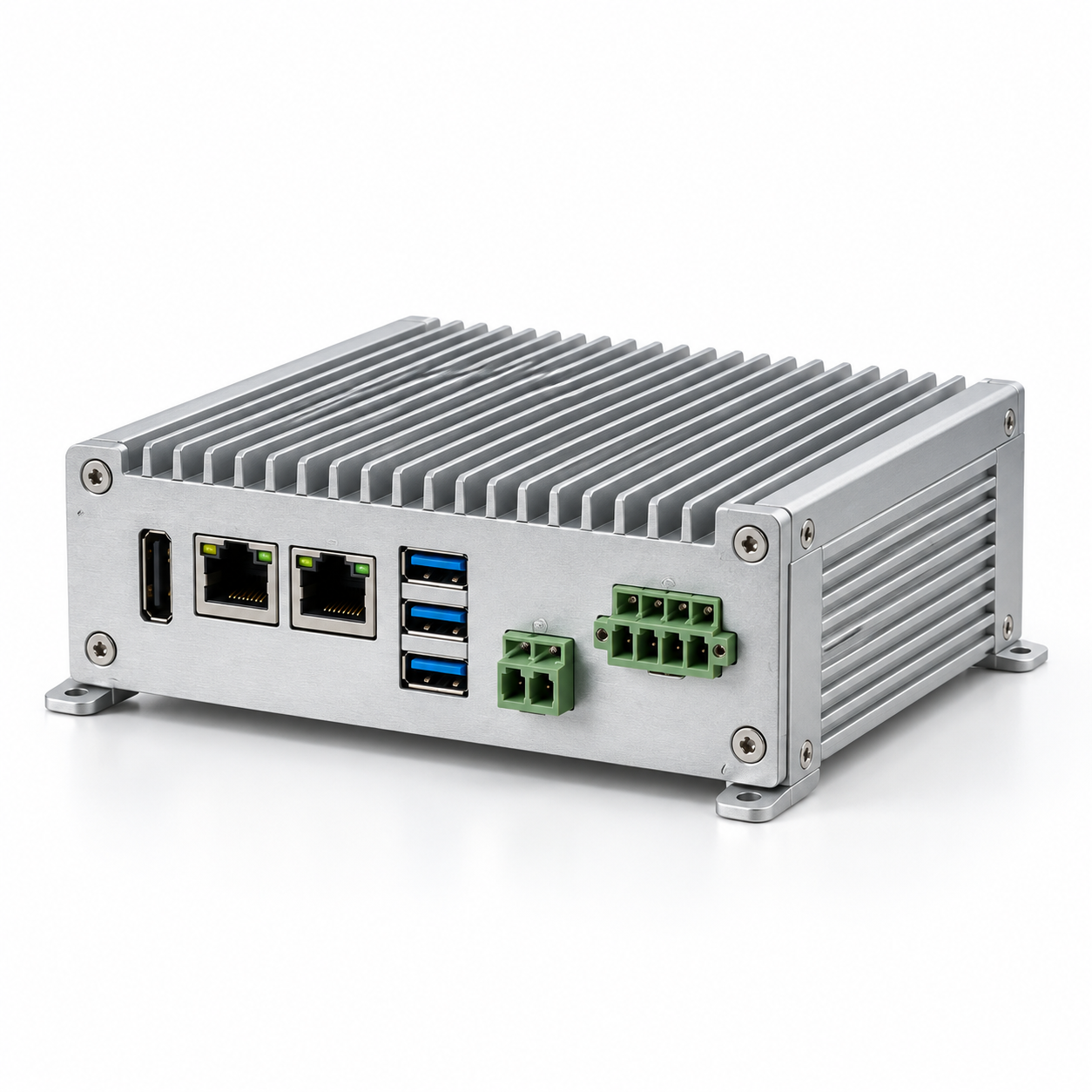
Control hardware & interfaces
Integration of selected control hardware and firmware connections, with a defined platform interface for customer scheduling software.
Components are selected to match the required load, reach, interfaces and operating conditions.
Platform delivery scope
| Capability | LabCarry work |
|---|---|
| Mechanical integration | Body, platform, arm mounting, gripper, rack and fixture assembly. |
| Hardware / firmware interoperability | Connections between the selected base, arm and platform devices using the agreed component configuration. |
| Platform interface | The defined connection and supported device functions for customer scheduling software. |
| Assembly and calibration | Mechanical alignment, calibration and agreed functional/interface checks on the assembled platform. |
Your software team retains scheduling, workflow logic and instrument coordination. It connects through the agreed platform interface after the underlying device integration is complete.
Hardware calibration and interface testing
We tune and calibrate the hardware within the agreed scope and check the platform interface against its defined functions. Acceptance uses the selected base, arm, tooling and firmware configuration, with test conditions and criteria agreed before execution.
Review hardware and interface acceptanceQuality & traceability
We agree the unit identification, inspection points, build records and acceptance results with your team before assembly. Changes to parts, firmware or interfaces are tied to the affected configuration.
In-house production and specialist components
Robot body parts, platforms, grippers, racks, frames and other mechanical hardware are manufactured in-house. The mobile base and robotic arm are externally sourced. We bring these work packages together through assembly, device integration, calibration and hardware handover.
The selected base and arm, approved part revisions, quantities and component availability determine the build plan. Agree permitted substitutions and their interface verification before introducing a change.
What we review before the build
We work through the drawings, assembly sequence, wiring, tests and component sourcing with your engineers. The review identifies the documents needed for each operation and any open items before the build.
| Capability area | Documents to review | Decision it supports |
|---|---|---|
| Design for manufacture | A marked-up interface or drawing review showing issues, owners and closure status. | Whether assembly-critical decisions have been resolved before the build. |
| Mechanical assembly | Applicable work instruction, fixture concept and inspection points. | Whether the required features can be assembled and checked consistently. |
| Electrical integration | Controlled wiring information, component identification and proposed verification record. | Whether the built unit can be checked against the released configuration. |
| Functional testing | Procedure, equipment or fixture definition and an example result format. | Whether acceptance criteria can produce a reviewable result. |
| Traceability | Unit identification, configuration fields and the agreed acceptance record format. | Whether a later question can be traced to the relevant build and change records. |
| Supply planning | BOM responsibility split, approved substitutions and constrained parts list. | Whether purchasing assumptions match the proposed batch schedule. |
Pilot build release package
A pilot build should close specific uncertainties. Set its objectives before ordering parts: for example, verifying an assembly sequence, proving a fixture or confirming that the agreed test can be performed on the assembled unit.
- Identify the drawing and BOM baseline, including any controlled exceptions allowed for this build.
- Confirm material availability, supplied components, fixtures and the sequence of operations.
- Agree inspection points and acceptance criteria, with responsible reviewers.
- Record build issues, rework and approved changes against the affected configuration.
- Decide whether to revise, repeat or release the next stage using the collected evidence.
Do not equate completion of assembly with closure of every pilot objective. Carry unresolved items into an action list with an owner and an explicit decision about the next build.
Common questions
How can we evaluate capability without disclosing a complete product?
Begin with the relevant operation, interface type and non-confidential constraints. Ask which evidence can be reviewed, then agree information-handling terms before sharing detailed customer drawings.
Does every project need new fixtures?
Fixture needs depend on the geometry, assembly sequence and inspection method. Review existing options and any custom fixture work before fixing the pilot scope or recurring price.
When can a production schedule be confirmed?
A schedule needs the actual quantities, design maturity, sourcing split, constrained parts and release gates. Distinguish a planning target from a delivery commitment in the project proposal.